Steady Income from Teaching Lessons
Posted: Nov 4, 2025
Category: The Musician Business
make money music business songwriting keys to success career goals practice finances teach learned skills
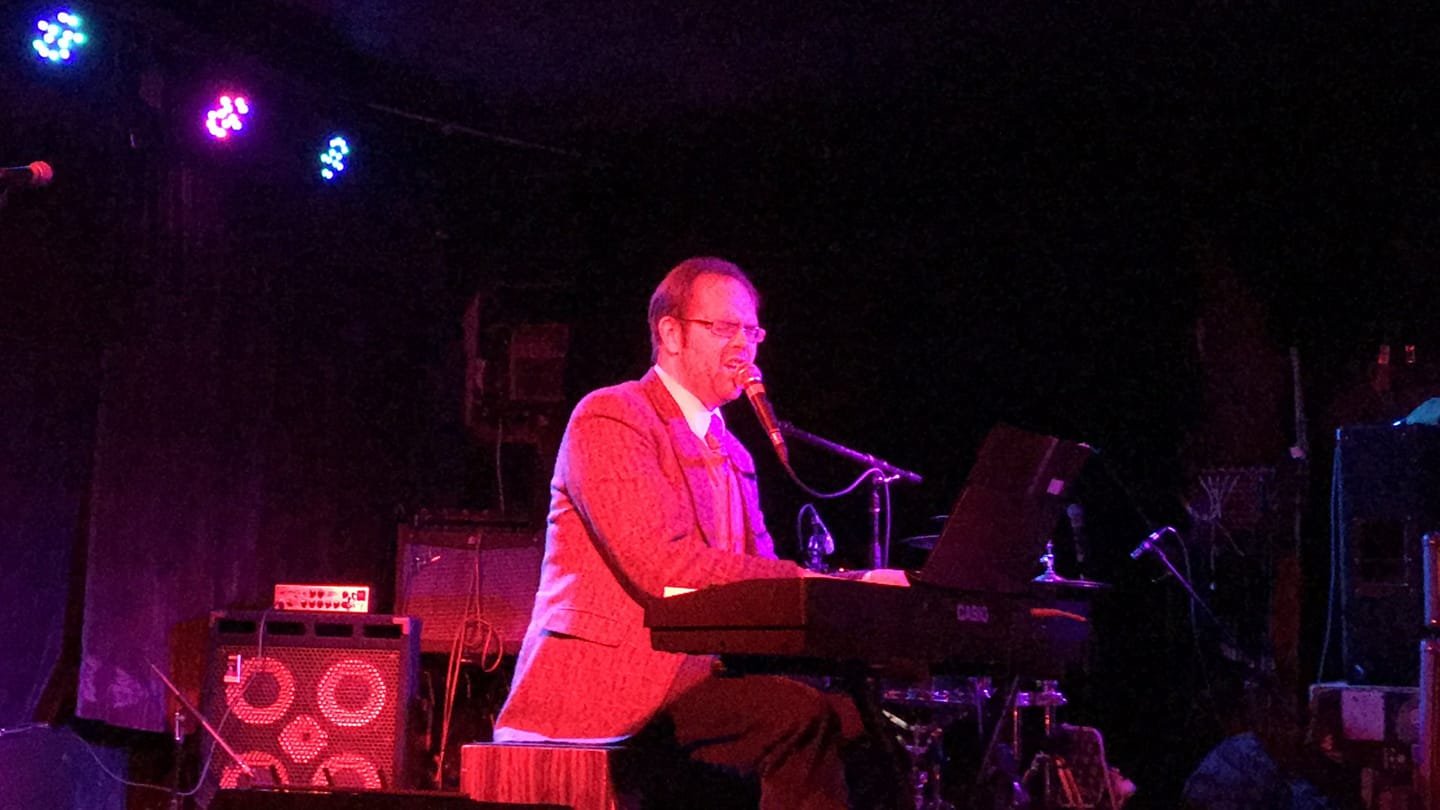
**Guest post written by Tyler James Cook, an independent musician from South Carolina.
"Note: This piece contains Amazon Affiliate links. The author receives a portion of any purchases made through this link, at no additional cost to the reader.
Being an independent musician is a tough life. Between the emotional highs of live performances, there is the endless work: promotion, production, collaboration, writing, editing. Sometimes it feels like there is very little time for the music itself.
Indeed, while there are more outlets for musicians than ever before, the much-vaunted democratization of music has made our jobs even more difficult. Instead of being a songwriter and musician, we must fill multiple additional roles, all of which might help us get towards the indie musician's dream: financial security through music.
It is a noble and achievable goal, but it takes time. During all that practicing, recording, performing, promoting, and touring, musicians need to feed themselves.
The solution is elegant in its simplicity, and immensely profitable: teach private music lessons.
The reader might be thinking, “wait, is that not just another item that detracts from working on music?” At first blush, yes—private lessons will take up valuable time. But that valuable time will truly be valuable through the magic of monetization.
Consider: when teaching a music lesson, you are “selling” a skill at which you (hopefully) already excel. You get paid for transferring those skills, but also for your time—whether the student practices or not (of course, you want them to practice so you can keep earning income, and so the student improves).
+The Top 12 Ways to Monetize Your Music
Here are a few reasons why indie musicians should make time for private lessons:
Profitability
Lessons are very profitable. I live in the rural South and charge $30 for a half-hour lesson and $50 for a full hour. Parents (I usually teach kids, but also teach adults) happily pay that amount. Comparatively speaking, the expenses are low or even non-existent: purchasing a method book or sheet music, for example. Even driving to lessons makes for a nice tax write-off: record your miles and you can deduct them from your taxes (please consult with your tax attorney or accountant about deductions; I am not liable for the IRS auditing you—TJC). There are an abundance of free resources available, and it is easy enough to create your own. Utilize those freebies to maximize your return on each lesson.(I personally like the Alfred's Basic Piano Library and Alfred's Basic Adult Piano Course series for new pianists; I start younger students with the Level 1 Book, and adult students with the all-in-one adult book—TJC.)
Musicianship
Sometimes the best way to learn is to teach. By breaking down your craft and explaining it to another person in a way that makes sense, you will remind yourself of the fundamentals. You will also be getting in lots of practice. I teach lessons for piano, saxophone, clarinet, guitar, bass, drums, and music composition, and doing so has made me a better musician on every instrument.An example: I did not learn to play guitar until my 30s (I am 40 now). I thought I would never play guitar. Parents started approaching me about teaching their kids guitar lessons, and I knew just enough to get by (I was very transparent with parents about my relative lack of ability on the instrument). In the process of teaching guitar, I learned the instrument. I'm not guitar hero, but I could play rhythm guitar in a band if necessary. The kicker: I got paid to teach myself, essentially!
+Why Practicing and Rehearsing are NOT the Same Things
Convenience
Being part of an established institution is not necessary for teaching lessons, but it certainly helps. I teach at a small private school and have created a “funnel” of new clients by drawing on students from my music classes. That has spread into a network of positive feedback and referrals, expanding my clientele beyond students and families enrolled at my school.I am not the best musician in the world by any stretch, but I am approachable and convenient to the clients I serve. An anecdote: a parent approached me and asked me to teach her thirteen-year-old son guitar. I explained to her that, while I could teach him the basics and that I played bass, I was not a great guitar player, and that her son already had an excellent guitar teacher. Her response: “I appreciate that, but I have four kids and you're here,” referring to the school where I teach. The convenience factor was huge for her—and resulted in hundreds of dollars in revenue for me over the course of a year.
Even if you lack a fixed institution, you can make yourself convenient through availability. Teaching in-home lessons at students' homes is a great way to get your foot in the door—literally. Yes, it is a bit more travel, but in this day of instant grocery deliveries and Thai food at three in the morning, people expect a more concierge experience. As a bonus, you get the opportunity to scout out locations for house concerts!
Inspiration
Teaching music lessons can be incredibly rewarding and inspiring. It is so fulfilling to see a kid grasp a difficult chord formation, or to play a hard passage, or to conquer an unfamiliar embouchure. The high is hard to describe, but fellow music teachers will know the feeling. Additionally, some of my best musical ideas have come from teaching lessons—a cool rhythm in a drum lesson might become an intriguing flute melody in one of my compositions (my short piece “Cuttlefish” is an example of this phenomenon).Also, students love when you tell them, “hey, that piece you are working on got me thinking about adapting that phrase to a song I am writing” or the like. It ignites within them a passion for music and creativity, and keeping that passion kindled translates into repeat lessons.
+What is the most essential skill for becoming a successful artist?
A Positive Feedback Loop
Some of my thoughts here might come across as crass money grabs. I prefer to look at it as being realistic: musicians are squeezed at every turn. Teaching music lessons are profitable and fun. Parents love to see their kids grow as musicians. Kids love to learn. If you love to teach, you get the double boon of living out your calling and earning some cash in the process.If done correctly, you can create a positive feedback loop of profitability, musicianship, and artistic growth. The only downside is that you might love teaching music lessons so much, you drop your garage band and dedicate your time to teaching instead! It happened to me, and my checkbook and I have loved every minute of it."
Related Blog Posts:
+5 Ways to Prioritize Music in Your Weekly Schedule
+Building a Solid Foundation with Music Education
+Defining Success And How To Achieve It With A Career In Music
About the Author:
Tyler James Cook is the author of two books, The One-Minute Mysteries of Inspector Gerard and Arizonan Sojourn, South Carolinian Dreams. He is also a singer, pianist, saxophonist, bassist, and composer from South Carolina, composes instrumental electronic music of various styles and genres at tjcookmusic.bandcamp.com. His full-time job is teaching history and music to middle and high school students, and he teaches multiple private music lessons each week to students of all ages and abilities. Learn more at www.tjcookmusic.com and www.theportlypolitico.com.