IOTM Blog
Posted: Apr 23, 2024
Category: The Musician Business
social media spotify music business keys to success supply and demand stress cs discos burnout
**Guest post written by Cássio from CS Discos.

"In this age, making music is not nearly enough, in contrast with earlier times, when making good music until a producer liked it was the most common path. Saturation in the market and the breaking of the barrier to publishing a music catalog created a market in which the majority of content is never seen. With roughly 100,000 tracks being uploaded daily on Spotify, the offer is exponentially higher than the demand..."
View Full ArticlePosted: Apr 17, 2024
Category: Fans
music business fan engagement copyright be prepared collaboration downupright crowdfunding promotion
**Guest post written by Downupright, a producer, composer, & DJ from Buffalo, NY. They/them have released many projects over the years under a variety of different artist names. In their “spare” time, Downupright is a serial startup entrepreneur and fractional Chief Technology Officer of between four and ten startups at once.

"Across [three projects between 2015 and 2024], the unifying theme was that I was asking more from my listeners and backers than simply “go stream my track”, “follow me on TikTok” etc… I was asking them to participate. I wanted them to have some skin in the game."
Posted: Apr 9, 2024
Category: The Musician Business
make money music business fan engagement community support fan support headspace unified manufacturing
**Guest post written by James Hill, a veteran of the music industry. He has worked at Warner Reprise Records and then Interscope/ Geffen Records and now helps indie artists with branding and manufacturing through his company Unified Manufacturing, a CD/DVD, custom vinyl records and merch company in LA.

"Having a career in music is not all sunshine and rainbows, and I’m sure you already know that, especially during the pandemic. To start a career in the music industry, you need to not only release good music but you have to be willing to learn the trade, to advertise yourself, get to know the right people, and many more. It’s too tedious! But still worth it. Let’s head on and enumerate the 25 reasons why being a musician today is awesome." View Full Article
Posted: Apr 3, 2024
Category: The Musician Business
make money touring artistic conviction music business community support cruise ship entertainment industry get creative collaboration routine schedule learned skills passion unified manufacturing
**Guest post written by James Hill, a veteran of the music industry. He has worked at Warner Reprise Records and then Interscope/ Geffen Records and now helps indie artists with branding and manufacturing through his company Unified Manufacturing, a CD/DVD, custom vinyl records and merch company in LA.

"Having a career in music is not all sunshine and rainbows, and I’m sure you already know that, especially during the pandemic. To start a career in the music industry, you need to not only release good music but you have to be willing to learn the trade, to advertise yourself, get to know the right people, and many more. It’s too tedious! But still worth it. Let’s head on and enumerate the 25 reasons why being a musician today is awesome." View Full Article
Posted: Mar 26, 2024
Category: Show Booking
indie on the move music venues youtube support slots fan engagement gig swap talent buyer iotm tutorials show availability
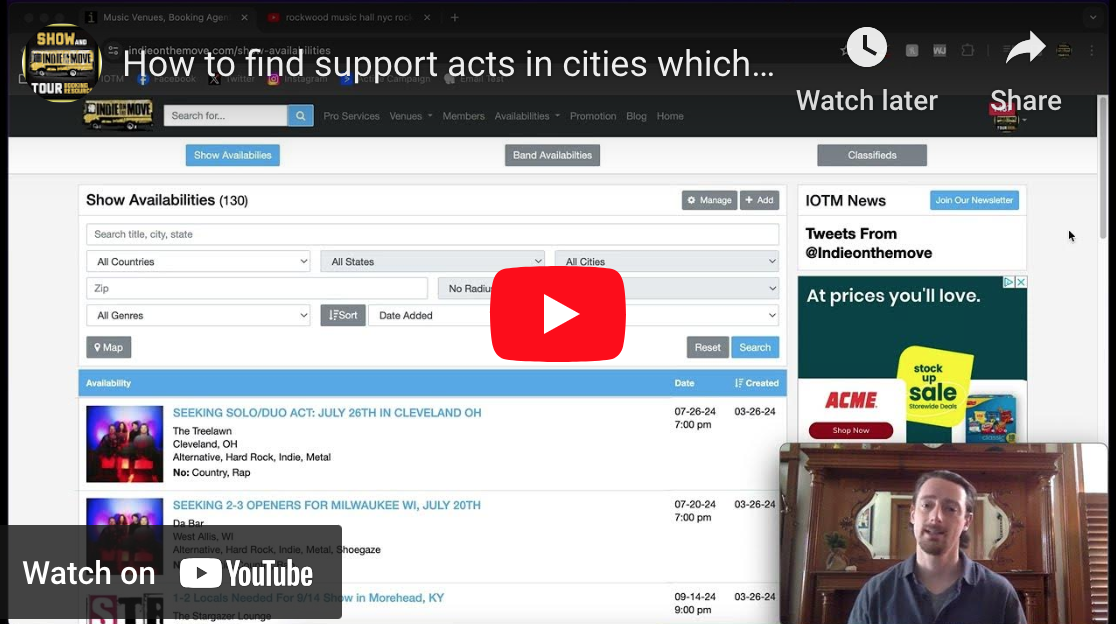
1. Ask the talent buyers for recommendations. 2. Ask local people that you know. 3. Check out the venues' websites. 4. Post a show availability on IOTM. 5. Use YouTube. 6. Search for acts via the IOTM members directory.
Posted: Mar 19, 2024
Category: Promotion
promotion marketing keys to success press release cyber pr research
**Guest post written by Cyber PR, originally featured on the Cyber PR Blog.

"Here at Cyber PR, musicians frequently call and ask me to write and blast a press release. The strongest reason to write a press release is for a particular event (like a show, a benefit, or a special occasion) OR for a very niche market (a “genre” of music is not a niche but a charity benefit or a tech related news piece like you are featured in a new app is!) I discourage blasting but I do encourage well-researched outreach. Here is how to create a press release in 8 steps." View Full Article
Posted: Mar 12, 2024
Category: Music Streaming
make money spotify indie artists music streaming services fan engagement dying code media anti-social club object x
**Guest post written by Greg Fuhs, co-manager of indie label Dying Code Media and member of indie bands Anti-Social Club and Object X.

"As you may have heard, Spotify recently announced that it will no longer pay royalties for songs receiving less than 1,000 streams per year, instead redirecting those funds to artists with songs exceeding that threshold. The company claims this is to better support “emerging and professional artists” and estimates they will redistribute as much as $1 billion over five years. They also claim that small indie artists won’t miss this money – although I don’t think Spotify asked any of us about this..."
Posted: Mar 5, 2024
Category: The Musician Business
music album release plan ahead merch on demand printing online distribution marketing vinyl cd's organization communication time management be prepared pre-save pre-order
**Guest post written by James Hill, a veteran of the music industry. He has worked at Warner Reprise Records and then Interscope/ Geffen Records and now helps indie artists with branding and manufacturing through his company Unified Manufacturing, a CD/DVD, custom vinyl records and merch company in LA.

"So, you’ve finally decided to release an album. Wuhoo! But listen up – getting your album out there isn’t just about tossing it into the world. It’s more like planning a grand wedding for 1000 people – you need a solid plan. In this guide, we’re going through fifteen essential tips—covering everything from using digital tools to finding the right partners—to make your album release stress-free (or at least less stressful than usual). Let’s get started!" View Full Article
Posted: Feb 28, 2024
Category: Show Booking
indie on the move music venues show booking music festivals cold pitching college gigs be efficient iotm tutorials
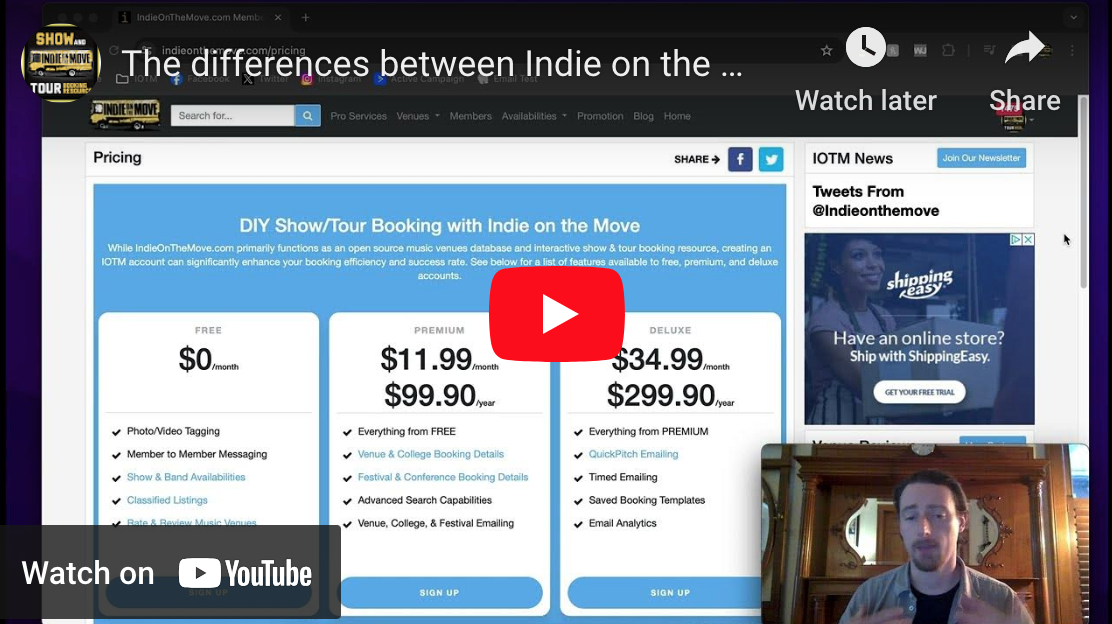
Indie on the Move offers a couple of different account/subscription levels: free, premium, and deluxe. While you can find a point by point breakdown of those features on the site's pricing page, this video shows you how those features can be put to use as it relates to your show/tour booking through the platform.
Posted: Feb 21, 2024
Category: The Musician Business
make money music business taxes well paid musician keys to success hacks w9 1099
**Guest post written by Matt Santry, founder of www.WellPaidMusician.com.
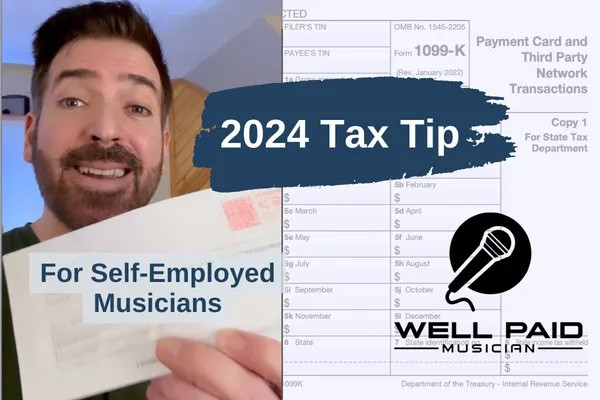
"2024 Tax Tip for Self-Employed Performers: This year (2024), pay all your contractors via one electronic pay method like PayPal or Venmo so that you can reduce or eliminate issuing 1099s next year. This is because of the new 1099-K."
Posted: Feb 13, 2024
Category: The Musician Business
budget artist growth calendar listings songkick music technology bandsintown management data finances
**Guest post written by Aaron Enneking as featured in the artist growth blog.

"Whether you manage a single artist or a roster of talent, keeping track of it all is no easy feat. From juggling emails, texts, and phone calls to coordinating travel logistics, navigating disparate calendars, and managing big personalities, there’s a lot of chance for error. Luckily, there are some great artist management tools out there to help you keep track of it all. You just have to know what to look for, as most project management tools aren’t geared for the music and entertainment space. So to help you choose the best artist management software for your organization, we’re looking at 10 questions you should ask when evaluating your options." View Full Article
Posted: Feb 7, 2024
Category: Recording
diy keys to success music equipment microphones headphones be prepared home recording condenser mic effects upaya sound
**Guest post written by Nick Braren, owner and operator of Upaya Sound. This was originally an excerpt from his new book COMPLETE CREATIVE CONTROL – The Art Of Recording Music Unveiled.
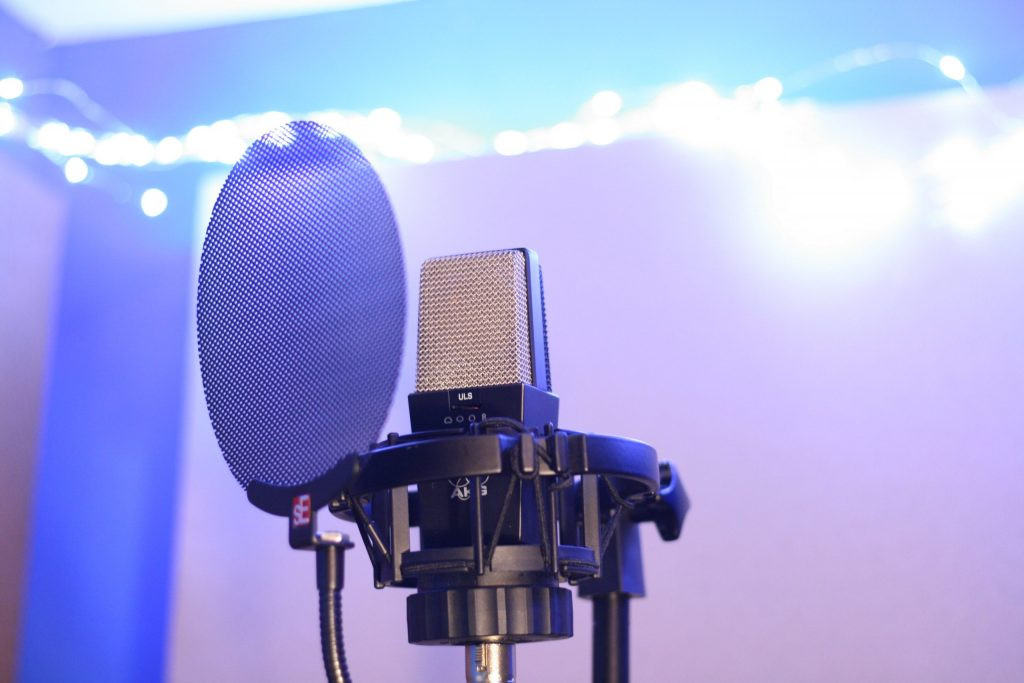
"Recording vocals should be a fairly simple undertaking, as we are only using one mic, with one sound source – what can possibly go wrong? The problems arise mostly on the performance side, and as a producer, I see it as my job to provide the setting for the best vocal performance possible."
View Full ArticlePosted: Jan 31, 2024
Category: Show Booking
indie on the move music venues show booking music festivals cold pitching college gigs be efficient iotm tutorials
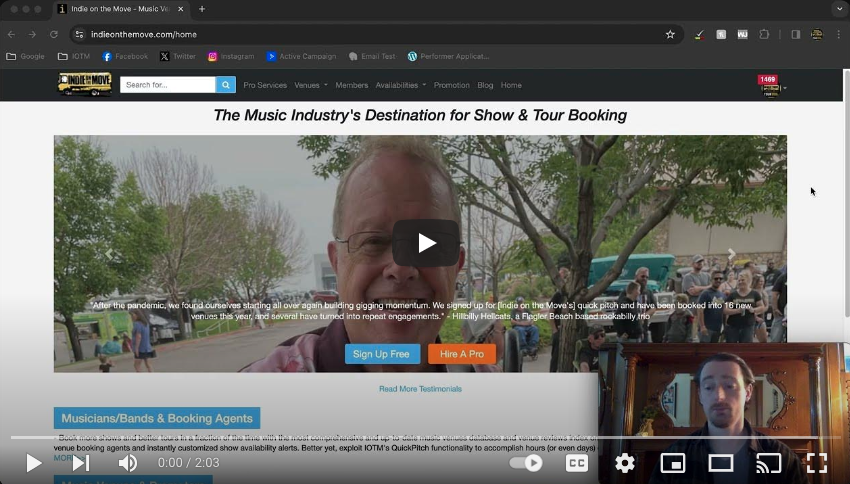
While we do have community driven sections of the site, specifically the availabilities, the most effective method of using the platform to get shows and tours booked is via direct outreach to the venues, colleges, and festivals in our venues database.
Posted: Jan 24, 2024
Category: The Musician Business
live performances keys to success career goals practice get creative the music entrepreneur timeliness routine schedule priorities
**Guest post written by David Andrew Wiebe, founder & CEO at The Music Entrepreneur HQ.

"If you’re having trouble prioritizing music in your life, you’re certainly not alone...there is a way to ensure you prioritize music in your weekly schedule, no matter how busy you think you might be. The question is... Are you willing to do whatever it takes to make it happen? If you want to find out whether you’re going to make the cut, read on..."
Posted: Jan 17, 2024
Category: The Musician Business
online distribution spotify music business indie artists music streaming services royalties one submit
**Guest post by Oren Sharon, founder of One Submit, a music promotion platform for independent artists.

"Spotify recently announced it has made serious changes to its royalty model that will affect independent musicians, digital distributors, and eventually the whole music industry. [This] is a summary of the changes made by Spotify, starting on January 1, 2024, and their anticipated impact on Spotify's royalty pool and all the players in the industry."
Posted: Jan 10, 2024
Category: The Musician Business
keys to success career goals the legit musician be specific reward
**Guest post written by Scott Aumann, originally featured on The Legit Musician blog.

"Sometimes we feel like we aren’t doing well when in fact we are doing better than ever. There are moments when we achieve something great only to feel like we missed the mark. Why does our success sometimes feel like a failure?"
View Full ArticlePosted: Jan 3, 2024
Category: The Musician Business
managers networking music business marketing plan budget keys to success career goals online presence data
**Guest post written by Aaron Enneking as featured in the artist growth blog.

"Managing an unsigned artist can be a challenging yet immensely rewarding experience...Without the backing of a record label, you (and your artist) will have to take on multiple roles and responsibilities to ensure their success. However, don’t let that discourage you! As artists like Macklemore and Chance the Rapper have shown, there’s no limit to what an unsigned artist can achieve. In this article, we'll discuss eight tips for how to manage an unsigned artist and help them navigate the music industry." View Full Article
Posted: Dec 20, 2023
Category: The Musician Business
music business fan engagement music streaming services online presence advice consistency delegate responsibilities collaboration tiktok muze
**Guest post written by Baxter Brown, CEO/Founder of Muze, a platform all about connecting talented professionals in the music industry with people who need their skills.

"The music industry, like the songs it houses, is constantly evolving. With every passing year, new technologies and trends reshape the way music is created, consumed, and shared. As we step into 2024, it’s clearer than ever that independent artists have an unparalleled opportunity to make their mark on the music scene. However, this new frontier comes with its fair share of challenges and obstacles. In this guide, we’ll explore how independent musicians can not only survive but thrive in today’s digital landscape." View Full Article
Posted: Dec 13, 2023
Category: Promotion
live streaming social media merch promotion stageit newsletters fan engagement instagram experience cyber pr facebook live contests volume charity twitter tiktok
**Guest post written by Cyber PR, originally featured on the Cyber PR Blog.

"Here are some killer Holiday Tips to help you increase your engagement with your fans! As an artist, there is no better time than the HOLIDAZE to work on building engagement and connections with your fans." View Full Article
Posted: Dec 6, 2023
Category: Tips & Tricks
networking music business online presence symphonic distribution plan ahead learned skills take a break deadlines
**Guest post originally featured in the Symphonic Distribution Blog.

"Every year from about mid-December on, the music industry becomes a ghost town. People start going on vacation, taking time-off, major label artist releases slow down big time, and for indie artists, it’s no man’s land. And while that, coupled with the frigid temperatures, might be enough to have you hunkering down and never leaving the safety of your home for the next few months, this time of year is actually incredibly powerful for setting yourself up for success. You just have to know how to take advantage of it. Here’s how..."
View Full ArticlePosted: Nov 29, 2023
Category: Recording
recording home recording budget mixing gear be patient be prepared stress production upaya sound diy keys to success
**Guest post written by Nick Braren, owner and operator of Upaya Sound. This was originally an excerpt from his new book COMPLETE CREATIVE CONTROL – The Art Of Recording Music Unveiled.

"Before you learn the foolproof process of what works, I want to first tell you about what things you should avoid. Knowing the mistakes of music production that others (me included) have made will further streamline your thought processes and stop you from wasting time, energy, money and gear. By knowing what not to do, it will become much clearer what to do instead."
View Full ArticlePosted: Nov 22, 2023
Category: Fans
live streaming fan engagement music streaming services bandzoogle content get creative landing pages sammy hakim
**Guest post written by Sammy Hakim for Bandzoogle.com.

"Whether it’s over the internet or on a stage, one of our main jobs as musicians is to engage with our audience...in the modern era, engaging with your audience means a lot more than generating powerful work: fans expect artists to be active online using various platforms, from TikTok to streaming services. Some even deem this online activity to be necessary for building a sustainable career. With that said, if you’re struggling to find ways to engage with your audience online, we’ve got your back! Here are five tips to get you started..."
View Full ArticlePosted: Nov 15, 2023
Category: Technology
marketing plan keys to success cold pitching music technology get personal playlisting artificial intelligence playlist supply spotify
**Guest post originally featured in the PlaylistSupply Blog.

"In today’s digital age, technology continues to revolutionize the way we approach various industries, including music marketing. One of the most exciting advancements in this realm is the integration of artificial intelligence (AI) into music promotion strategies. When it comes to playlist marketing, AI can be a game-changer, providing valuable insights and automating certain tasks to maximize your outreach and increase reception. In this article, we’ll explore the powerful combination of PlaylistSupply and ChatGPT, two AI-driven tools that can supercharge your music marketing efforts."
View Full ArticlePosted: Nov 7, 2023
Category: Marketing
youtube cs discos cover songs copyright video marketing ebook
**Guest post originally featured in CS Discos' e-book Cover Your Way Up, a guide to leveraging music covers on YouTube.

"Copyright owners typically opt to monetize videos rather than block them, meaning they will run advertisements on them and collect any revenue generated by these ads. Although none of that revenue will go back to you as the creator of the cover, your video will remain viewable by other viewers...Additionally, in some cases, copyright owners may choose not to monetize videos by blocking them instead. Therefore, it’s wise to conduct some research and understand local regulations before posting covers online."
View Full ArticlePosted: Nov 1, 2023
Category: The Musician Business
one submit live performances mixing music streaming services licensing royalties music libraries session musicians teach production beats curators
**Guest post by One Submit, the ultimate music submission platform.
"Being a full-time artist, musician, or vocalist is no different from being a mechanic, a carpenter, or an attorney. You'll eventually get there if you wake up to work every day. One of the most effective ways to do this is to diversify your sources of income. Try to locate multiple sources of income that will eventually add up to a respectable monthly salary, rather than putting all your eggs in one basket. Here are the top 12 ways to make an income as a musician..."